

新宿の開発で財を成した鈴木九郎という男が、自分の財産を守るために橋の上で多くの人を殺し、その死体を神田川に投げ捨てた。その橋は「姿見ずの橋」と呼ばれている。男の罪は裁かれなかったが、彼の一人娘は呪われて、神田川に飛び込んで大蛇になったという
これは「中野長者伝説」と呼ばれる伝説の一部である。商人として急速に財を成した男への疑惑が、後ろめたい犯罪の噂へと変貌していく典型的なスタイルの伝承に、日本独特の治水神話と重なり、女が水に入るモチーフが追加されている。
この作品は「中之長者伝説」をもとにした呪いと魔術の物語。
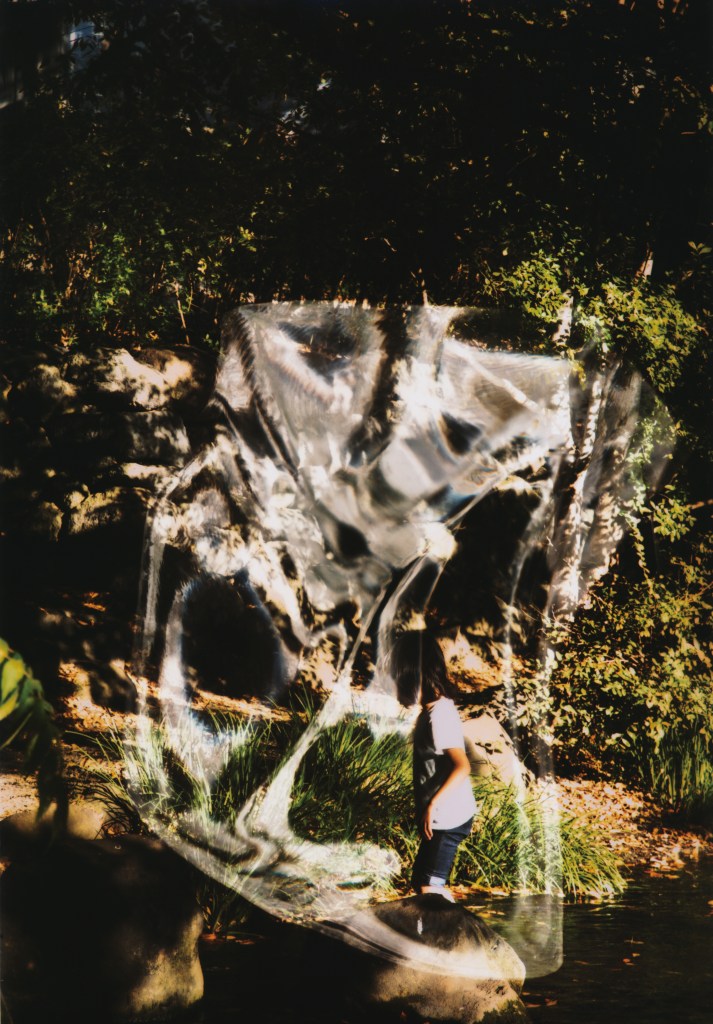
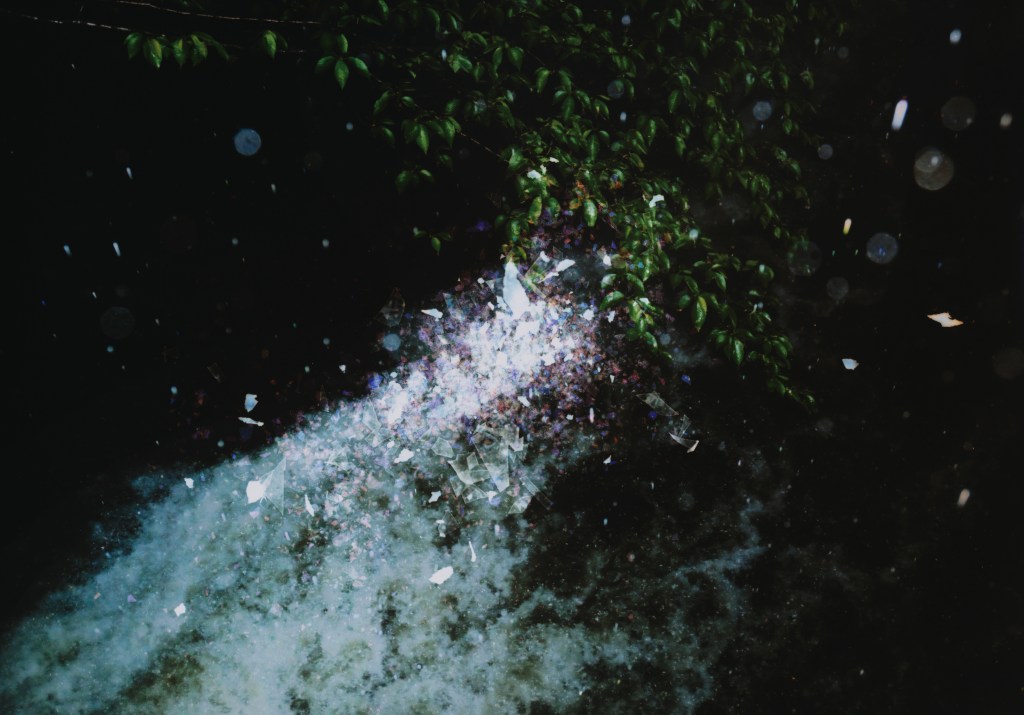
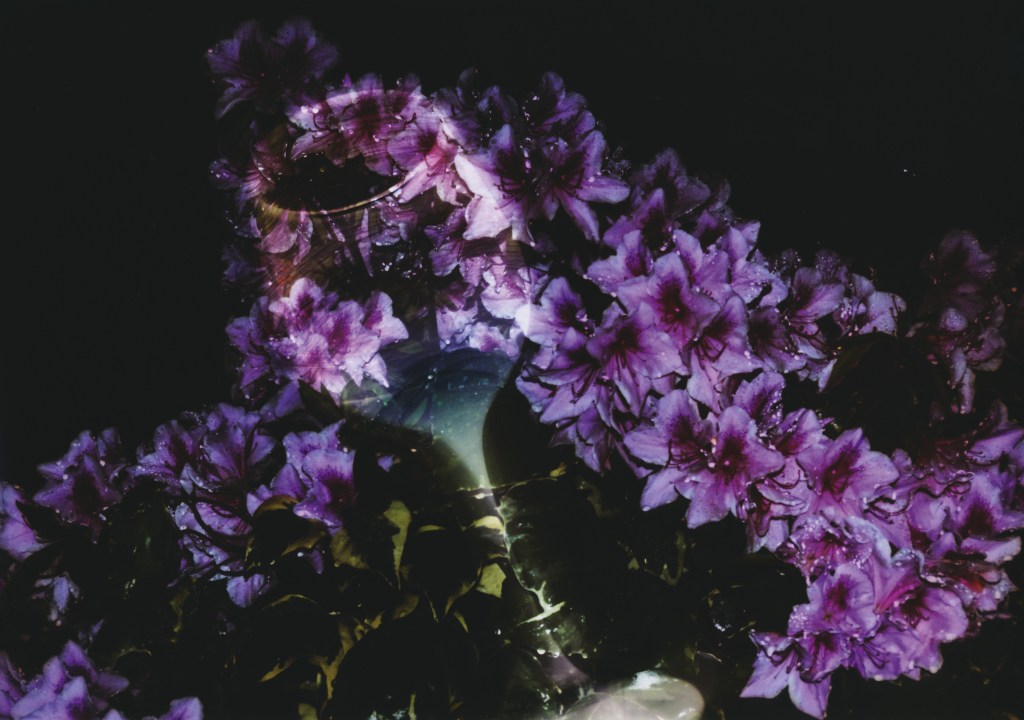
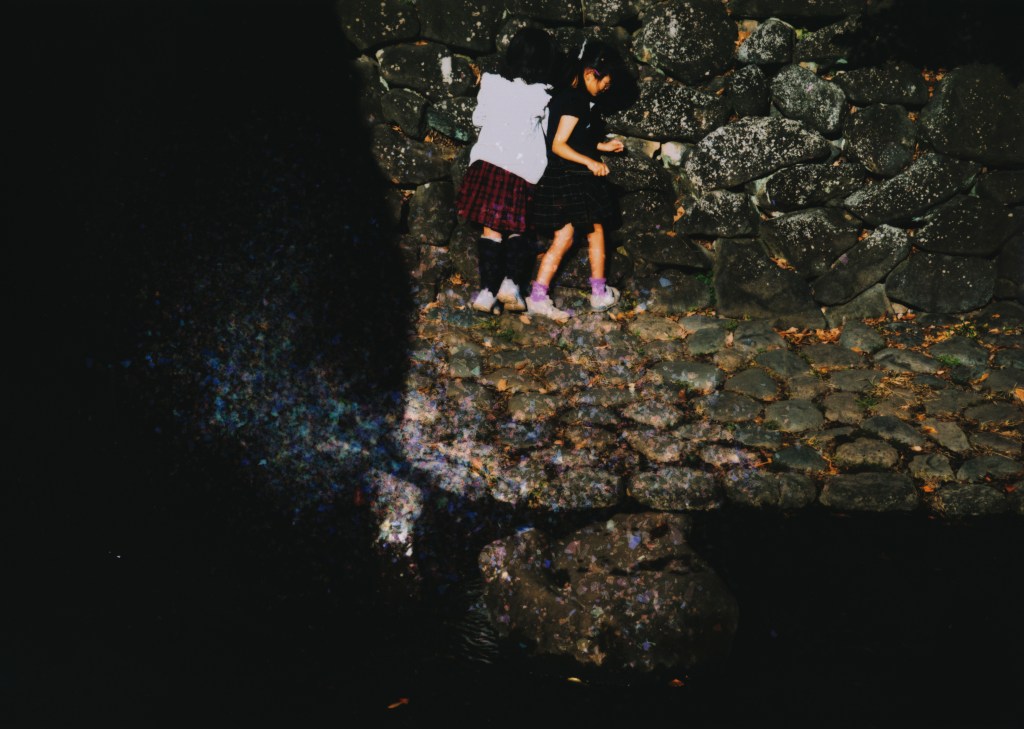
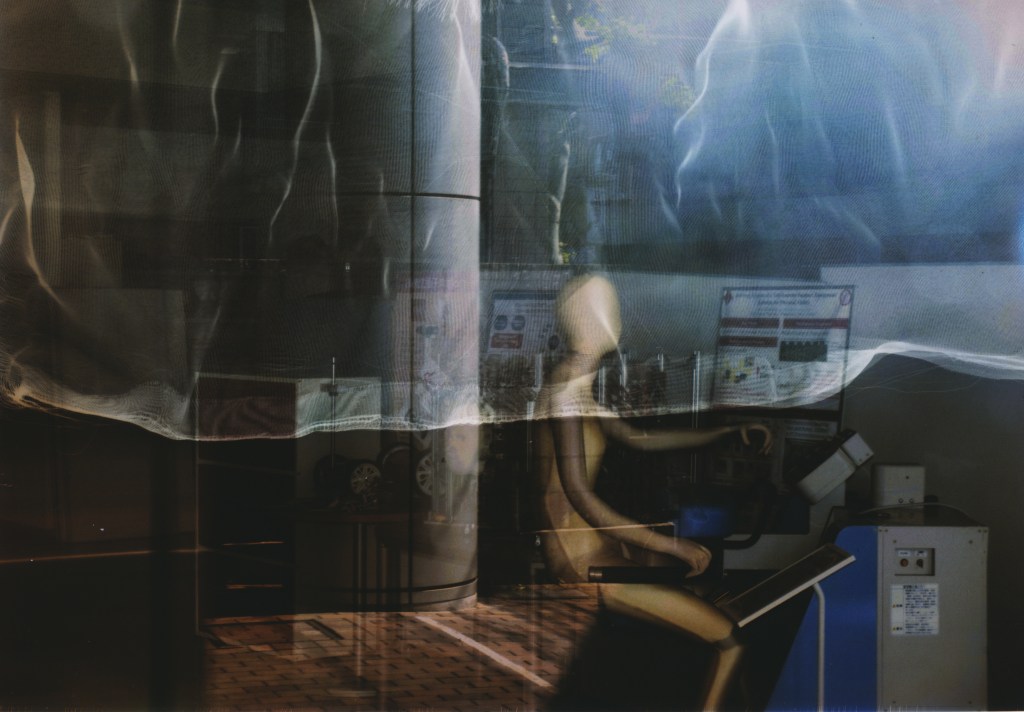
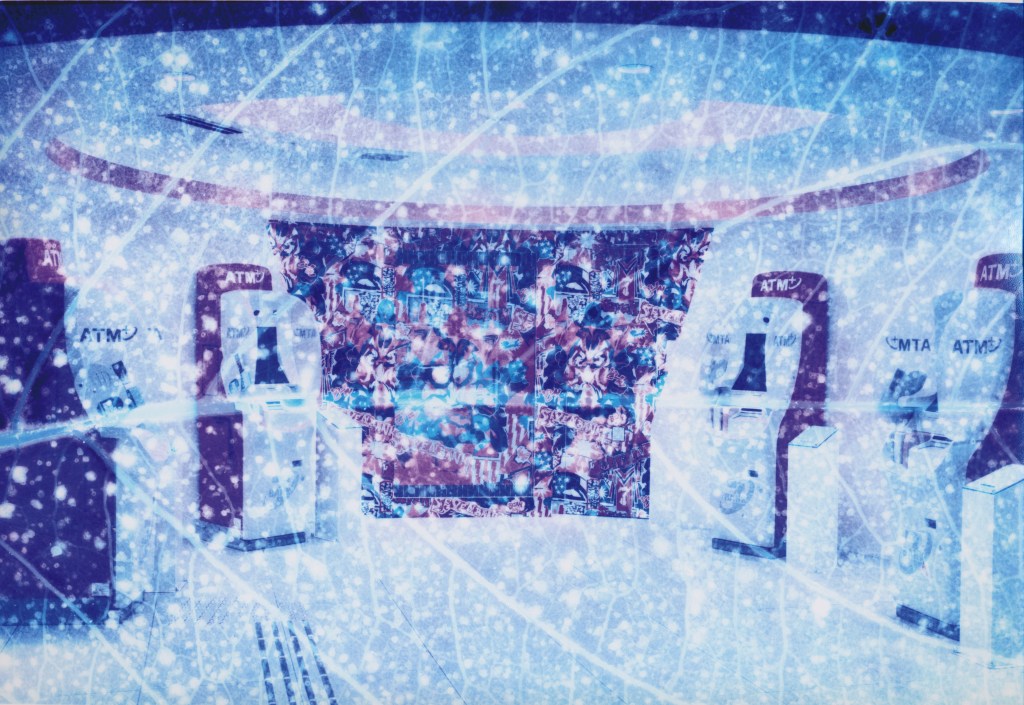
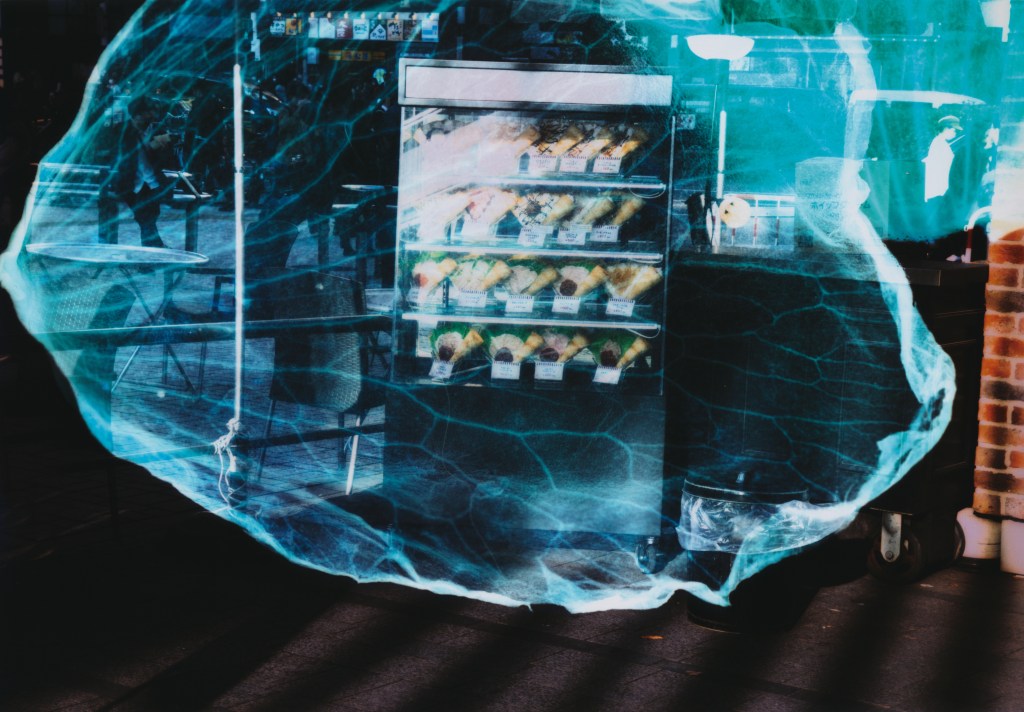
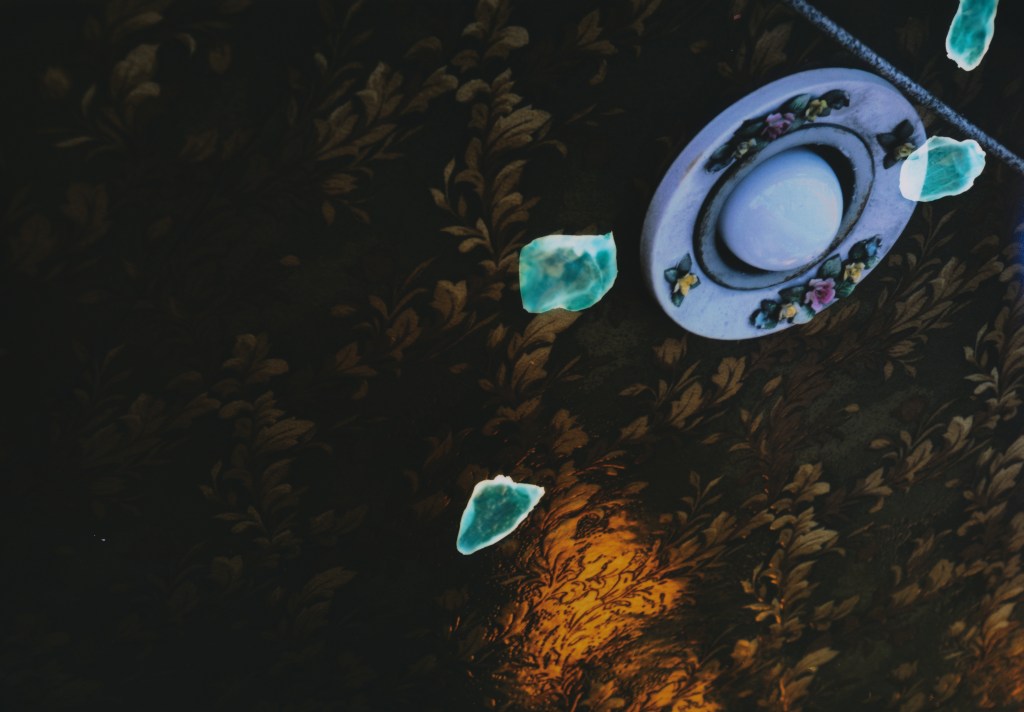
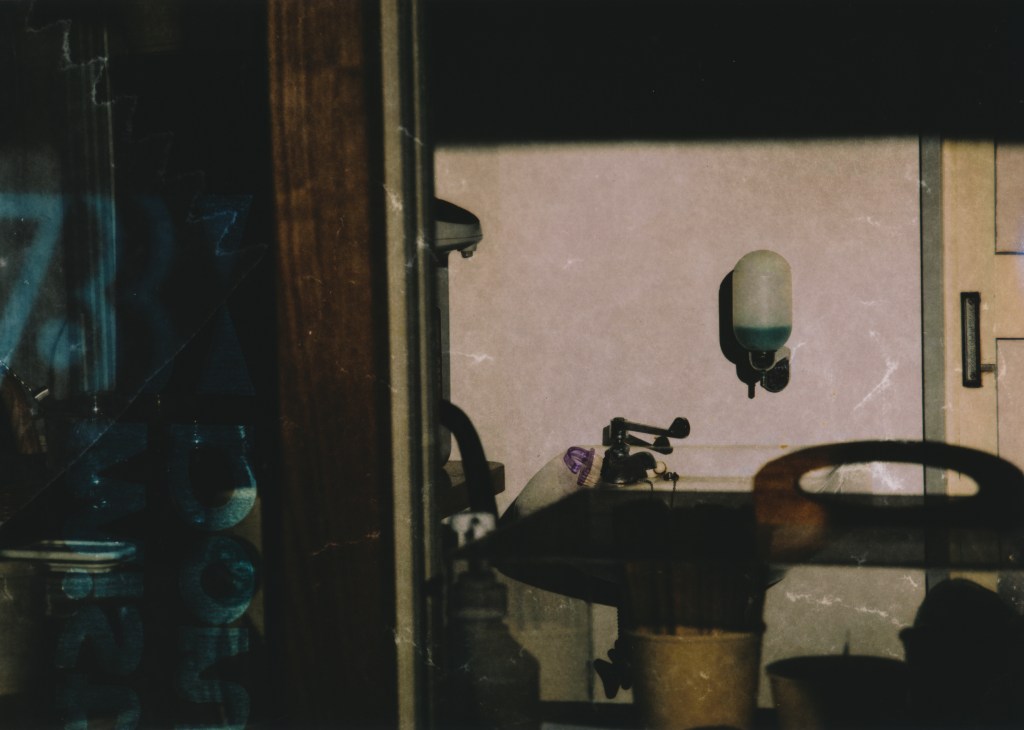
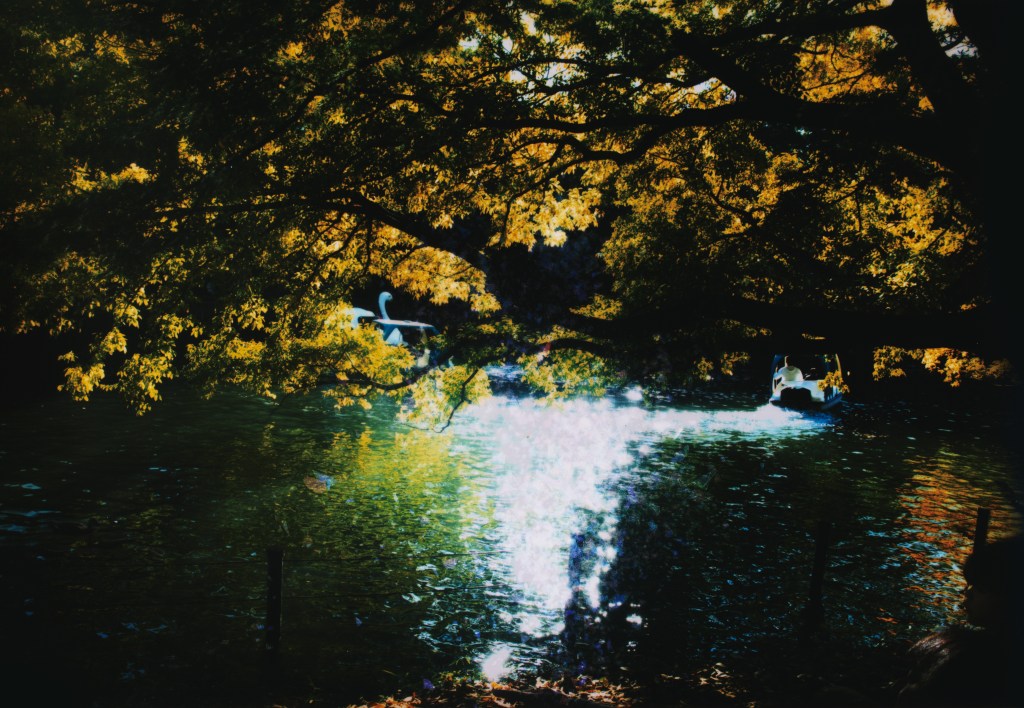
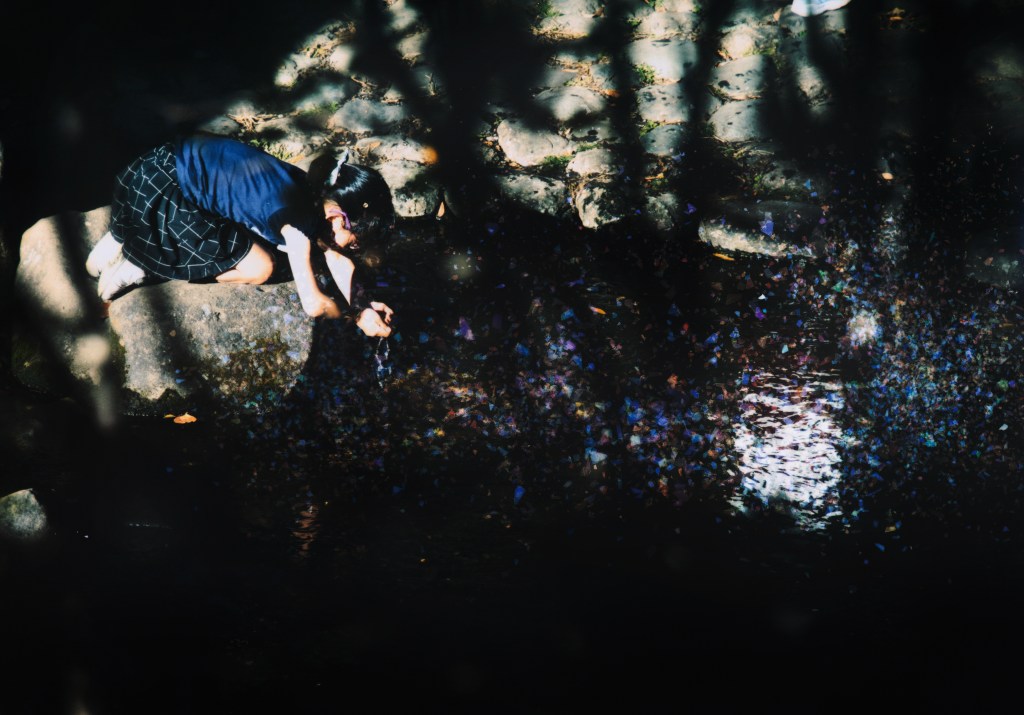
新宿のゴミを集め、新宿中野で撮影した写真に重ね合わせたフォトグラム、街の会話から収集したキーワードで作られた短編小説と映像で構成されている。
A man named “Suzuki Kuro,” who had made his fortune by developing Shinjuku, killed many people on a bridge and threw their bodies into the Kanda River to protect his property. The bridge where Kuro committed the murder became known as the “Sugatamizu Bashi (Disappearing Bridge,) ” but his crime was never judged. However, his only daughter was cursed in return. She jumped into the Kanda River on the day of her wedding and she turned into a giant snake. The snake swam away and never to be seen again.
The above is part of a legend called the “Legend of Nakanochoja,” which is related to the development of the Shinjuku-Nakano area.
It is a chimerical legend in which suspicion of a man who rapidly amassed a fortune as a merchant transforms into a tale of murder, which is overlaid with the unique Japanese myth of flood control, in which a woman enters the water.
It is a legend that symbolizes Shinjuku, a city filled with many portraits of women and sparkling imitation jewels.
This work is a tale of curses and witchcraft based on the “Legend of Nakanochoja.
The work is composed of photograms created by collecting garbage in Shinjuku and superimposing them on photographs taken in the Shinjuku-Nakano area, a story created with keywords collected from conversations in the city, and images of the Kanda River.

 清水裕貴 / Yuki Shimizu